

Iceland says no to joining the EU
52.8% of Icelanders reject the resumption of EU accession talks with Brussels. The defence of the fishing industry and national sovereignty proves decisive.
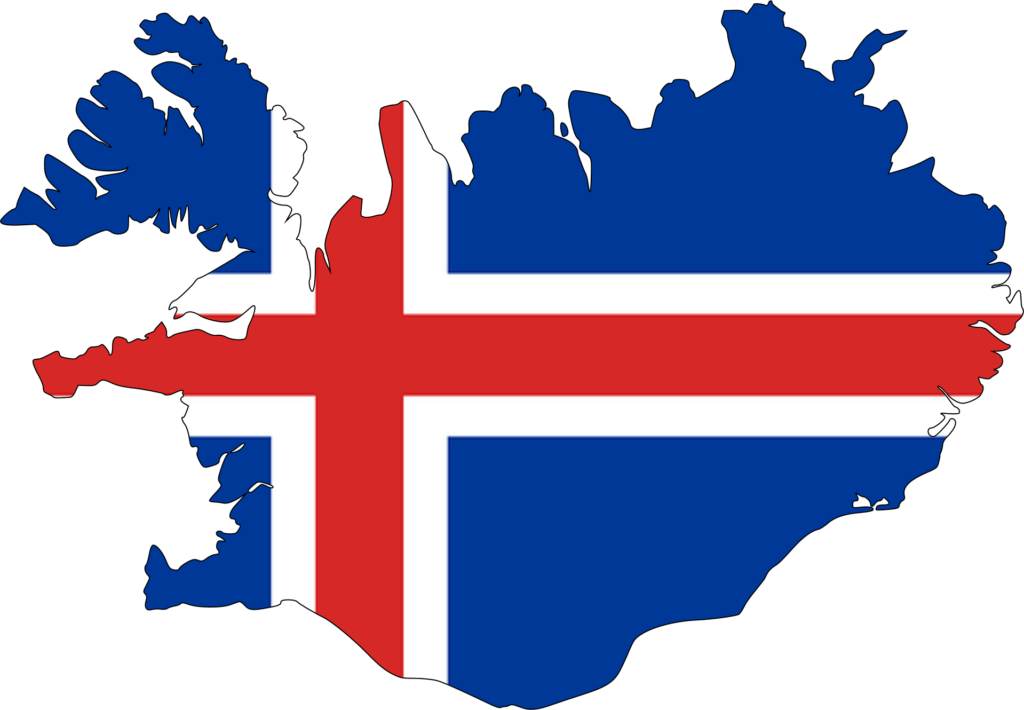
Iceland will not reopen negotiations on joining the European Union. In the referendum held on Saturday, 29 August 2026, 52.8% of Icelanders rejected the proposal by the centre-left government, led by Social Democratic Prime Minister Kristrún Frostadóttir, to resume talks with Brussels.
The referendum was formally consultative, but the government had pledged to respect the result. Frostadóttir had also announced that, in the event of a “No” vote, she would not raise the issue of EU membership again before the end of her term, scheduled for 2028. Parliament may now also discuss the formal withdrawal of Iceland’s EU membership application.
Turnout was remarkably high, reaching 82.5%. The “Yes” vote prevailed only in the two electoral districts of the capital, Reykjavík, while the “No” vote exceeded 60% in the other four districts, highlighting the country’s deep division over its European future.
A Country Already Close to Europe
With around 400,000 inhabitants, Iceland is already closely integrated into the European system. It is not a member of the EU, but it is part of EFTA (European Free Trade Association), together with Switzerland, Norway and Liechtenstein. Through the EFTA framework, Iceland participates in the European Economic Area (EEA), giving it access to the European single market. It is also part of the Schengen Area.
EFTA: Cooperation Without Giving Up Sovereignty
EFTA (European Free Trade Association) is an economic cooperation organisation comprising Iceland, Liechtenstein, Norway and Switzerland. Unlike the EU, it is not a political union and does not have common supranational institutions. Its members retain full national sovereignty.
Fishing Proves Decisive
At the heart of the “No” campaign was the fishing industry, a crucial sector for Iceland’s economy and national identity. Joining the EU would have meant applying the Common Fisheries Policy, raising concerns about losing national control over fishing quotas and marine resources. Agriculture would also have been an important and sensitive issue in any future accession negotiations.
EES Launches across Schengen for Extra-EU travelers
Brussels Respects the Vote
The European Commission said it fully respects the choice of the Icelandic people, stressing that Iceland remains “one of the EU’s closest partners.” European Council President António Costa and Prime Minister Frostadóttir also reaffirmed their willingness to strengthen relations between Reykjavík and Brussels.
Accession Talks Frozen Until 2028
The result represents a setback for the EU, which had welcomed the prospect of reopening negotiations and was prepared to seek compromises, particularly on fishing and agriculture. The issue of EU membership will now remain frozen until at least 2028.
Iceland submitted its application to join the EU in 2009, following the severe financial crisis that had hit the country. Negotiations were suspended in 2013 after a Eurosceptic government came to power.
The fishing industry, which accounts for almost 40% of Iceland’s exports, was a decisive factor behind the “No” vote. Fears of losing control over Icelandic waters ultimately outweighed the government’s arguments that reopening negotiations could strengthen the country’s economic and geopolitical stability.
The vote therefore represents a setback for the centre-left coalition, but not a move away from Europe. Iceland will remain closely integrated with the European system through EFTA, the EEA and Schengen, while retaining its national autonomy.