
The Journey of Saharan Dust to Europe

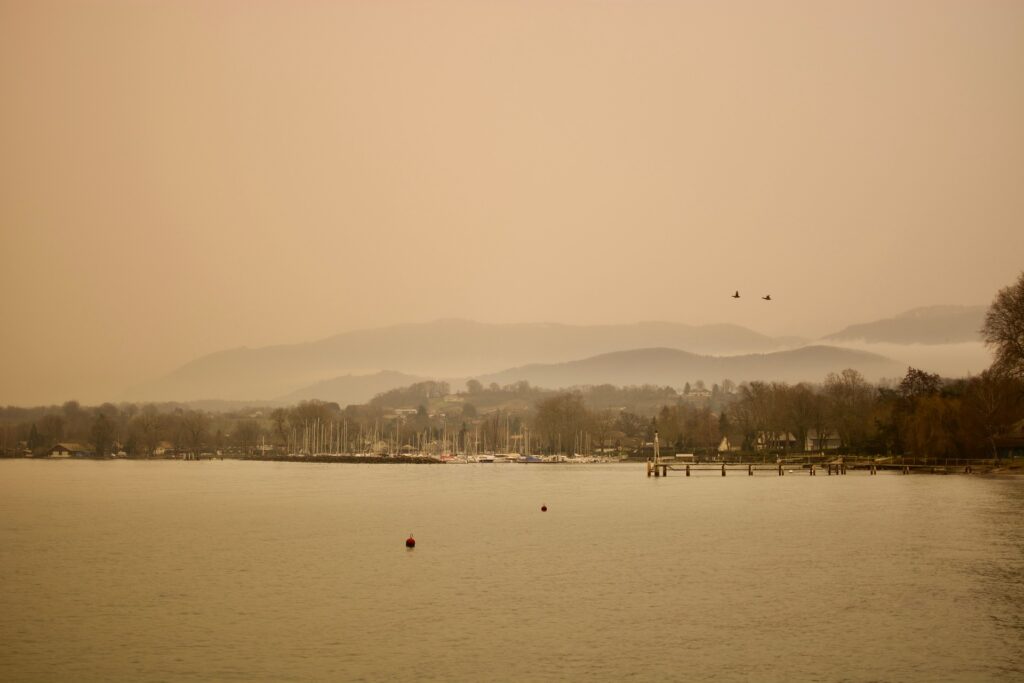
During the recent Easter vacations, very strong winds brought with them Sahara sand, the deposition of which gave a striking yellow filter to the sky and surrounding landscape that accentuated the colors of sunrises and sunsets.

An alpine lake under a sand rain Image by JackieLou DL from Pixabay


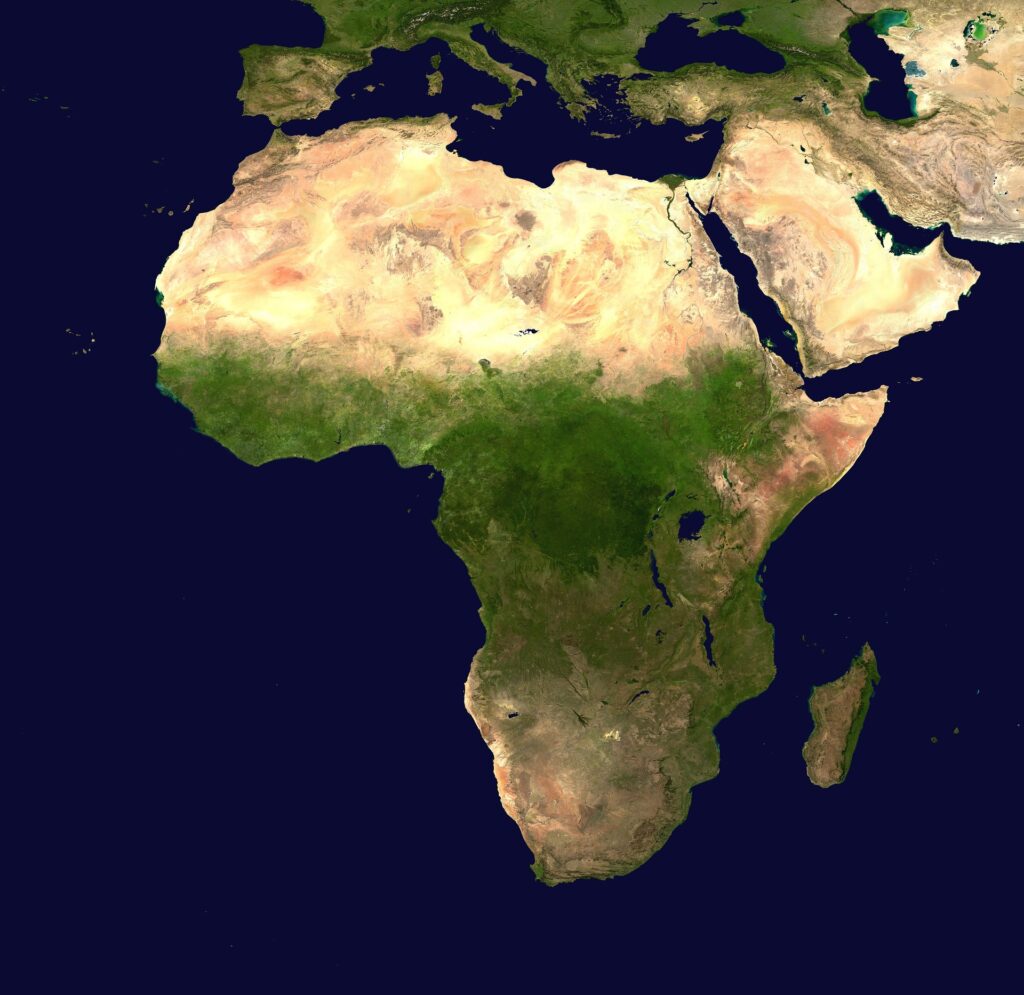
Let’s get to know a little more about this spectacular desert that runs through several North African nations, embracing a variety of unique landscapes and ecosystems along its path. Countries that host portions of the Sahara include Algeria, Libya, Egypt, Mauritania, Mali, Niger, Chad, Sudan, Tunisia, and Morocco.

The Sahara is the largest desert in the world, covering a vast area of about 9.2 million square kilometers, equivalent to about 3.6 million square miles, larger than the continental United States and constituting about 31 percent of the entire land area of Africa. In addition to vast expanses of golden sand, the Sahara also includes mountain ranges, rocky plateaus, lush oases and other striking geographical features that make it an extremely diverse environment despite its aridity.

The Sahara has a rich and complex history spanning millennia. In prehistoric times, wet periods transformed the desert into an oasis, providing habitats for a variety of fauna and flora. Ancient trade routes connected sub-Saharan Africa to the Mediterranean, facilitating cultural and commercial exchange. Today, the Sahara faces environmental, political, and social challenges, but it continues to be a land of great fascination and mystery, with breathtaking landscapes and a millennia-old history that captures the imagination of the entire world.

Sahara sand is known to be transported over long distances through strong sandstorms, or dust storms, which can lift huge amounts of sand particles into the atmosphere. These storms can occur mainly in the Sahara region due to prevailing winds and moving weather systems. Because of these weather phenomena, sand from this desert can travel considerable distances, reaching other regions of the world, including Europe, Asia, the Americas, and beyond.

It is estimated that each year the Sahara releases between 60 and 200 million tons of mineral dust into the atmosphere. Although the coarser particles tend to settle rapidly on the ground in the vicinity of the desert, the finer ones can be carried thousands of kilometers by air currents.

The african continent Image by WikiImages from Pixabay

Sahara sand reaching Europe can have benefits such as fertilizing the soil, enriching it with essential minerals such as potassium, calcium, and magnesium, improving the appearance of landscapes, and helping to improve air quality under certain circumstances. However, there are also drawbacks related to human health, infrastructure damage, air pollution, and environmental impacts, which include changes in soil composition, influences on plant growth and local biodiversity, and alterations in the water cycle.

Usually, the Saharan dust phenomenon is caused by the weather pattern involving warm winds from the Mediterranean region, such as the Sirocco wind from the southern Mediterranean area and subtropical high pressure over the Atlantic. These winds blow northwestward and directly carry warm, dust-laden air from the Sahara Desert toward central Europe.

Observations over the Sahara have shown that dust has a significant impact on the radiative budget: greater dust presence in the atmosphere results in reduced solar radiation reaching the ground.

Transport of Saharan dust to other regions, such as Europe, can occur particularly during the spring and summer seasons, when weather conditions are more favorable for its transport over longer distances. The frequency and intensity of these events can vary from year to year, depending on prevailing weather and climate patterns.

BANNER K16
BANNER K16

Subscribe to our newsletter


We also exist to inform and be informed, it is one of our missions. When you’re here on this site it’s as if we were physically together, chatting about this and that or talking about business. But when you are “far away” you can still keep in touch with us by subscribing to our Newsletter!

    Our strategic partners


    Who we are


    Swissfederalism is a modern association that follows the process of digital transformation and is a fully digitalised and networked organisation. If you need us, we are here! On the web!

    Swiss Federalism

    For your privacy


    We are very sensitive to the issue of confidentiality and data protection of our customers and users visiting our site because confidentiality is an important value.

    Make a donation


    Swissfederalism is a non-profit association that lives thanks to the donations and fees of its members. We need your support!

    You can transfer your donation to the following account

    IBAN: CH15 0873 1557 4858 1200 1

    Account holder: Swiss Federalism 8737 Gommiswald

    Account number: 5574.8581.2001

    Clearing: 8731

    BIC/SWIFT: LINSCH23

    News from the world of the web


    Made with LOVE by: Innovando GmbH

    Privacy Preference Center