




New equipment and measurements in the radioactivity field
The Federal Council has decided to modernize the system for measuring radioactivity in the air at high altitudes at the research station on the Jungfraujoch. In addition, from 2025 there will be no more data collection flights with fighter planes of the Swiss Armed Forces.
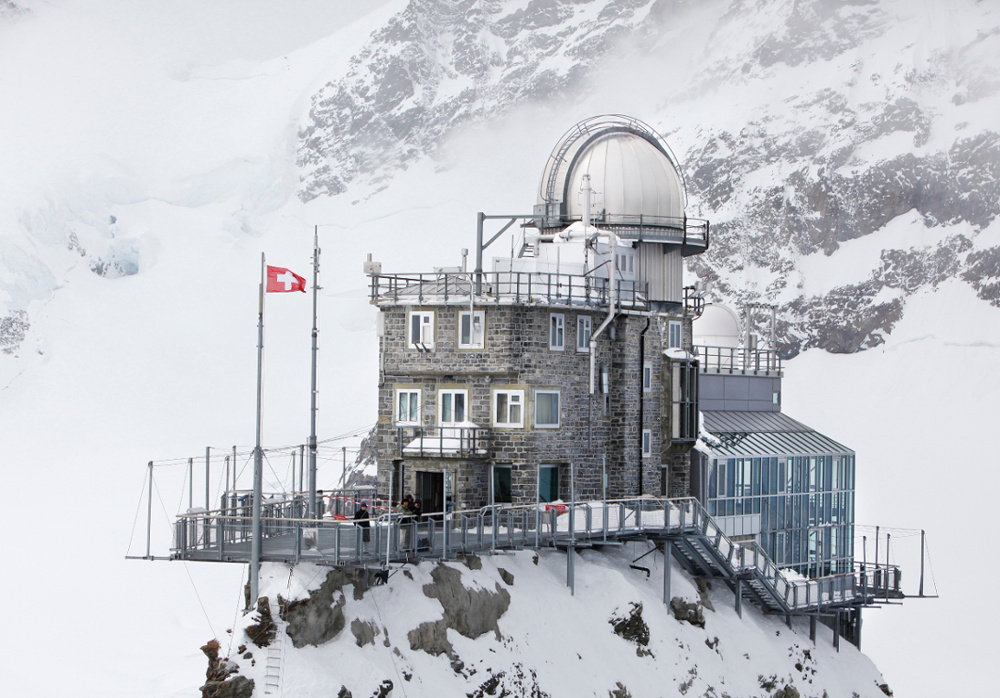
If radioactivity is released into the environment as a result of an accident, e.g. in a nuclear power plant, a large part of it will end up in the atmosphere. In order to define possible protective measures for the population, the composition, extent and position of the radioactive cloud must be determined at an early stage in an emergency. For this purpose, it is necessary to take samples from high-altitude air layers. The Federal Office of Public Health (FOPH) operates special measuring instruments on the Jungfraujoch, which today no longer reach the sensitivity required to detect even the smallest traces of radioactivity. The measuring system will therefore be modernized and will be a hundred times more sensitive than the current one. In case of a military event, such as the explosion of an atomic bomb, a considerable part of the radioactivity reaches the air layers even higher up. The combat aircraft of the Swiss Armed Forces were equipped in the 1960s with instruments to collect samples from these air layers. Tiger fighter aircraft equipped in this manner will be taken out of service at the end of 2025. Converting the data collection instruments and then installing them on the FA-18 aircraft would cost about 10 million francs, and the Federal Council considers this investment disproportionate. For assessing the risk to the health of the population, experience shows that the added value of data collection flights is often limited compared to measurements at lower altitudes, such as those carried out on the Jungfraujoch. For scientific investigations, in which measurements made with high altitude aircraft are valuable, international cooperation should be explored.
Fallout shelters and emergency management in Switzerland
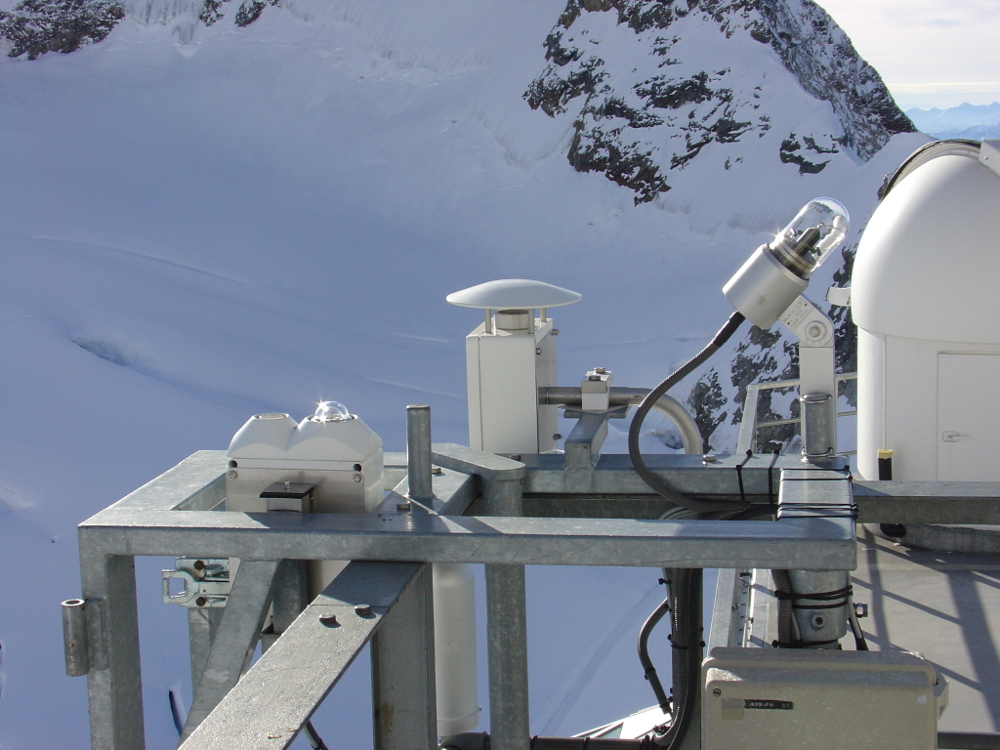
Sphinx Observatory on the Jungfraujoch
The Sphinx Observatory is located at 3,571 m above mean sea level, and is one of the highest in the world.
The station has an astronomical dome, two large and two small laboratories, a workshop, two terraces for scientific experiments and a meteorological observation station. The observation instrument in the astronomical dome is a 76 cm telescope that is no longer in use. Many long-term experiments are permanently installed in the Sphinx laboratories. Space for other projects and campaigns is available upon request.
Web-site Sphinx Observatory (English and German)
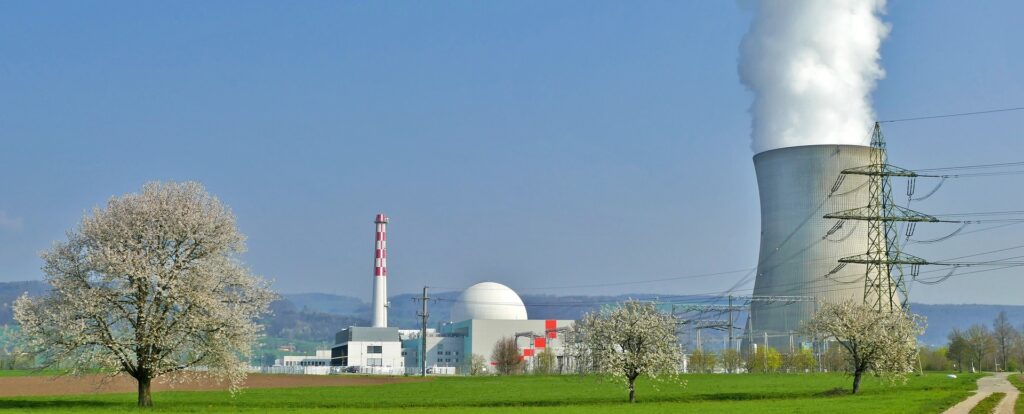
Mühleberg nuclear power plant
Following the shutdown of the Mühleberg nuclear power plant at the end of 2019, it is no longer necessary to distribute iodine tablets for preventive purposes to the population of municipalities located within a 50-kilometer radius of the plant. Instead, the tablets will be stored centrally by the cantons.
Iodine tablets are intended as a prophylactic measure against thyroid disorders in the event of a serious accident at a nuclear power plant in Switzerland or in neighbouring countries. In Switzerland stocks of iodine tablets are available for the entire population and two different distribution areas are distinguished. Outside a radius of 50 kilometers from a Swiss nuclear power plant, iodine tablets are stored by the cantons, which dispense them to the population as needed. Within a 50-kilometer radius, iodine tablets are distributed to households and businesses, particularly to kindergartens and schools. Iodine tablets are storable for ten years and were last distributed in 2014.
The decommissioning of the Mühleberg nuclear power plant in the canton of Bern is currently underway. Therefore, during the 2024 distribution, iodine tablets will no longer have to be distributed for preventive purposes to households located within a 50-kilometer radius of the plant.
Source: https://www.admin.ch/