
Gotthard Base Tunnel: Up in passengers and dynamism
More 28 percent in traffic on the main Alpine tunnel between 2016 and 2019, as well as positive figures for stations in the cantons of Ticino and Uri
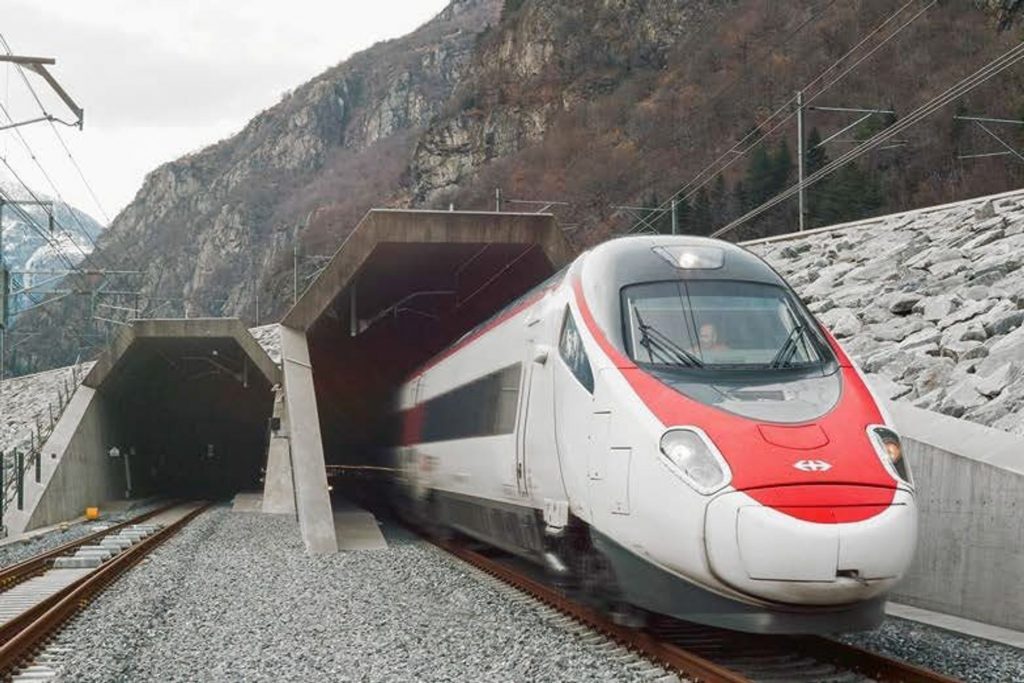
Passenger rail traffic on the north-south axis of Switzerland has increased significantly, until the end of 2019. This is a direct effect attributable to the opening of the Gotthard Base Tunnel in 2016 and the improved offerings of PT.
Nearly all stations in the cantons of Ticino and Uri recorded a clear increase in passenger numbers. The dynamic in the vicinity of stations is strengthened according to the potential linked to the territory. This is what emerges from the monitoring of the Gotthard axis (MAG).
The Gotthard Axis Monitoring (MAG) analyzes the spatial and traffic effects of new railway construction projects on the north-south axis (see box).
#Gotthard – #Basistunnel: Nach der Eröffnung sind mehr Bahnreisende unterwegs. Im Umfeld von Bahnhöfen in UR und TI nehmen Bevölkerung und Beschäftigte zu: https://t.co/zGn0MIFHDq @bav_oft_uft pic.twitter.com/hqvJsSZPTQ
— ARE (@AREschweiz) June 29, 2021
This interim monitoring report refers to a time frame after the opening of the Gotthard Base Tunnel, but before the opening of the Ceneri Base Tunnel.
Between 2016 and 2019, rail passenger traffic experienced a 28 percent increase in people traveling through the Gotthard; by contrast, the growth nationwide was only 1 percent.
The increase in passenger numbers is attributable to the improved transport services on the Gotthard rail axis, in particular the shorter journey times and higher frequency. In addition, the number of passengers at stations has also increased. The improved public transport services in the cantons of Uri and Ticino have contributed to this development.
As a result, more season tickets and tickets were sold in all regions of the two cantons.
In Switzerland the transport of goods will “slide” underground
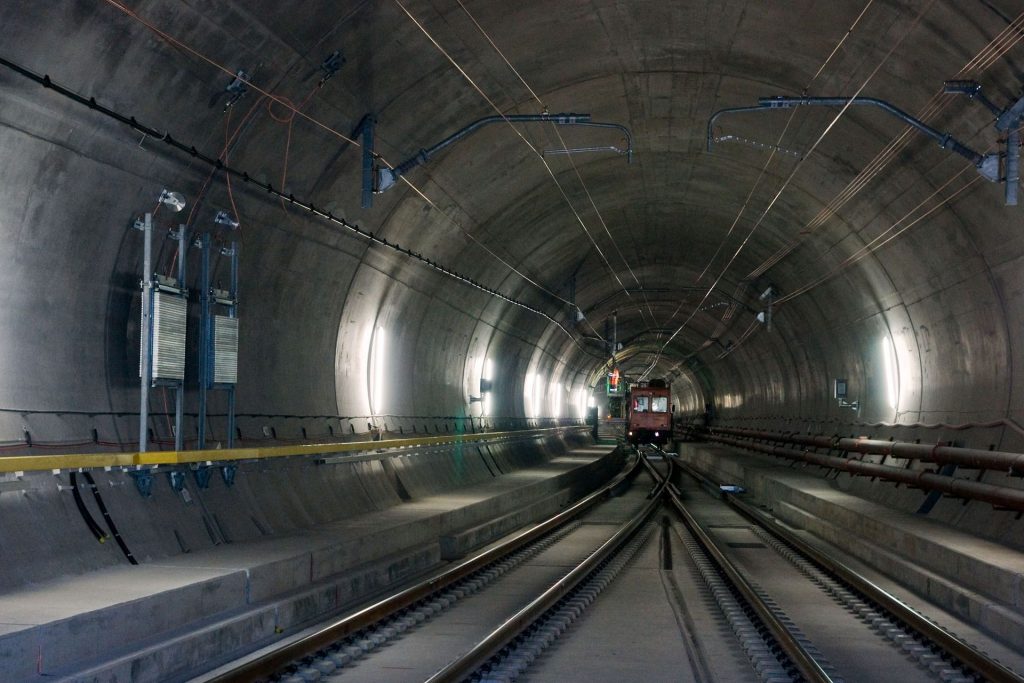
1000-1800 more people traveling by rail instead of road
Improved rail connections also help to take traffic off the roads. At the Gotthard, the number of cars has dropped by about 4 percent, or 1,000 to 1,800 fewer passengers per day.
By contrast, the number of rail passengers has increased; 60 to 80 percent of the increase in rail passengers are motorists who have chosen to travel by train.
Public transportation in pandemic time under the lens

Positive effects on tourism in Ticino, first and foremost paralberghiero
The additional train journeys are mainly due to visitors to tourist events in Ticino. The growth in rail traffic also corresponds to an increase in the number of overnight stays.
Despite competition from foreign destinations and the strong franc, the number of overnight stays in Ticino has experienced a clear reversal of the trend, particularly in the paralberghiero sector (2011-2015: – 7 percent; 2016-2019: + 6 percent).
Federal Council espouses 2021 “Year of the Railways”

More lively at Bellinzona and Lugano stations
The first indications can be seen that the new base tunnel has also influenced the development of the territory. Bellinzona is the city that has benefited most from the improved connections.
Population and employment growth rates, as well as those in the real estate sector, are higher than those recorded in the Lugano region. The average population growth in the vicinity of all the stations examined was more marked than elsewhere.
The districts with larger employment areas show significant growth rates in the number of jobs. Trends at small and medium-sized stations near urban centers are closely related to reserves of unused building land and local planning.
Large projects in the vicinity of major stations help to exploit densification potential;. as in the case, for example, of the planned Officine district in Bellinzona and the new transport platform at Mendrisio station with the campus of the University of Applied Sciences and Arts of Southern Switzerland (SUPSI).
Heavy goods traffic: controls in Switzerland despite the pandemic


Good Altdorf and work commuting in inland Switzerland
In the canton of Uri, rail connections and public transport services have been substantially improved, especially in Altdorf, resulting in a relative increase in population and the number of jobs.
Commuter flows have increased particularly to Lucerne and Zurich. With the opening of the new cantonal railway station planned for the end of 2021, this trend will become even more pronounced.
Switzerland’s long-term climate strategy
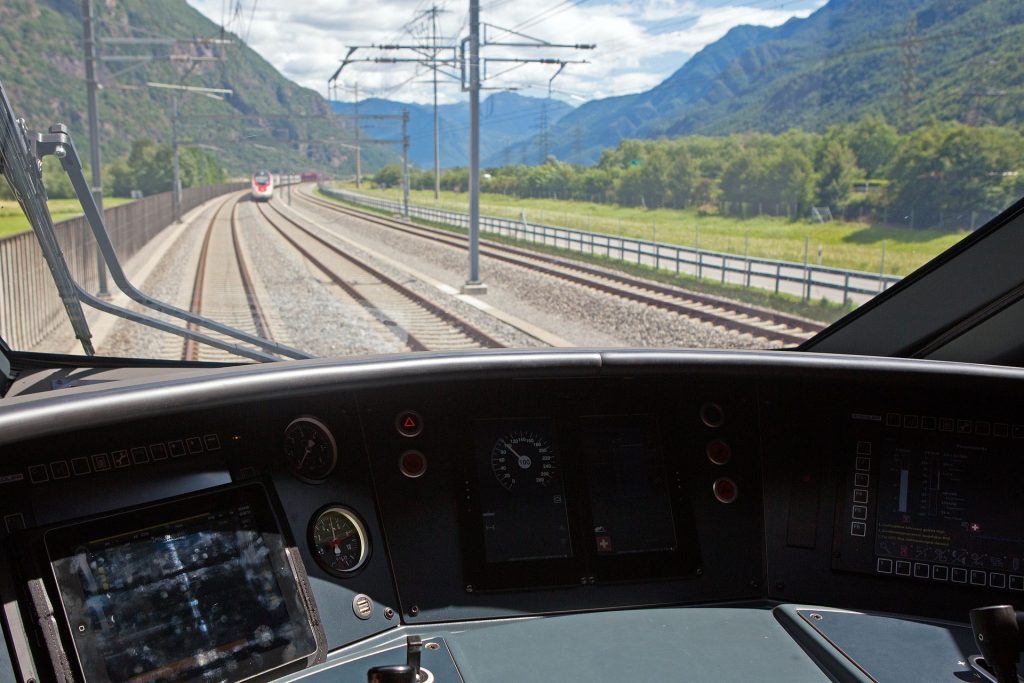
What is the monitoring of the Gotthard axis (MAG)?
Since 2015, the Federal Offices for Spatial Development (ARE), Transport (FOT), Roads (FEDRO), Environment (FOEN), as well as the Cantons Ticino and Uri have been analyzing the effects of rail expansion along the Gotthard axis with the MAG project.
Phase A, which ended in 2017, examined trends prior to the opening of the Gotthard Base Tunnel (TBG).
Phase B monitoring will evaluate the effects following the 2016 opening of the TBG, the completed April 2021 bid with the Ceneri Base Tunnel (TBC), the four-meter freight corridor, and the new cantonal rail station in Altdorf.
The Phase B interim results presented below cover the period 2016-2019 and are not affected by the COVID-19 pandemic. Final Phase B results will be presented in 2023 and a further final assessment (Phase C) is planned after 2025.
Transport insurance against war risks, goodbye