

Understanding Embassies and Consulates around the world
Embassy and consulate represent the state abroad, but with distinct functions. Understanding the differences is essential for every citizen abroad.
When living or travelling abroad, one may need assistance or support from one’s own country. In such cases, two fundamental institutions come into play: the Embassy and the Consulate. Although they are often confused, they have different roles and functions. Both represent the home state in a foreign country, but deal with different areas: the former with a diplomatic and political focus, the latter with more practical tasks related to citizens. Knowing the differences can make all the difference in important situations.
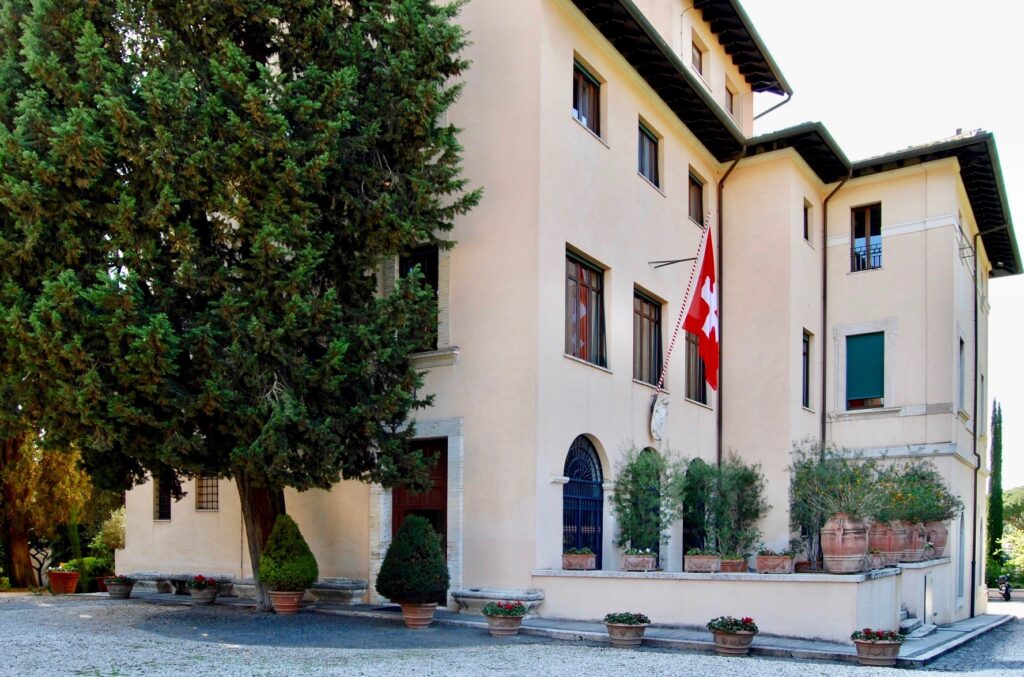
Embassy
An embassy is the official diplomatic representation of a state to another state. It is usually located in the capital of the host country and is headed by an ambassador.
Main functions:
- Politically representing the home state to the government of the host country.
- Manage diplomatic and bilateral relations.
- Promote the political, economic, cultural and military interests of one’s own country.
- Cooperate with international and regional organisations.
Example: The Swiss Embassy in the United States is located in Washington D.C. and is the main point of contact between the Swiss and US governments.
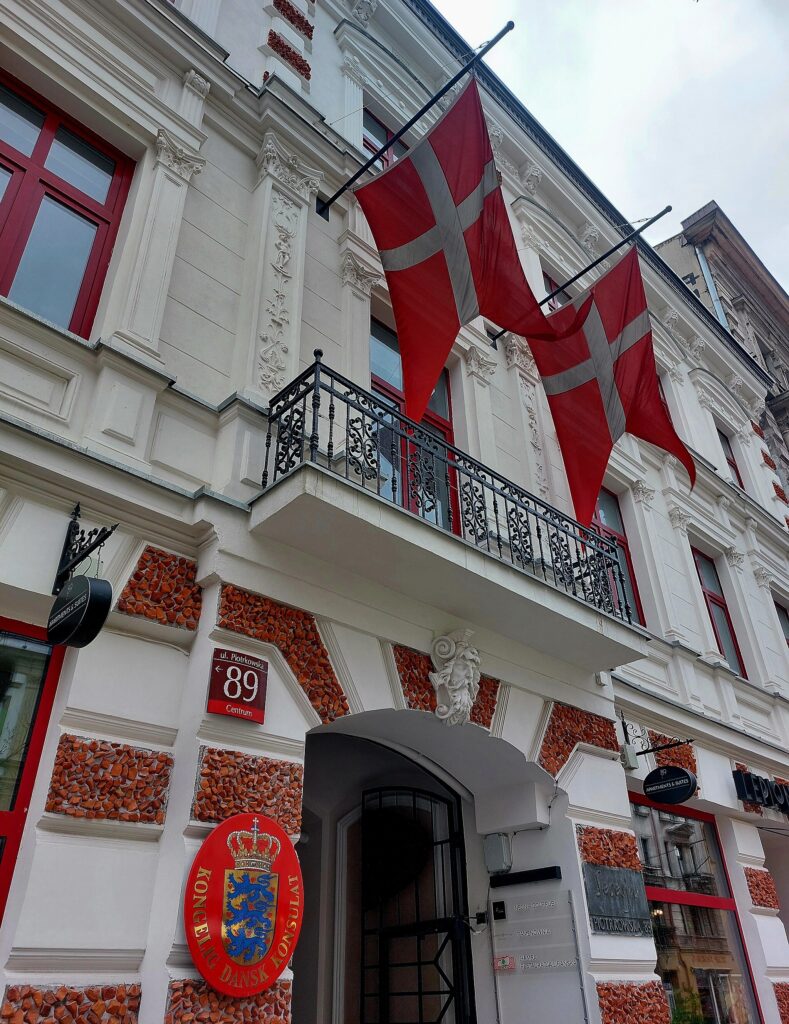
Consulate
A consulate is a secondary representation of the home state, present in several (usually larger) cities that are not the capital. It is headed by a consul or consul-general.
Main functions:
- Providing consular assistance to citizens of one’s own country (e.g. issuing passports, registrations, notarial documents).
- Support tourists in difficulty (loss of documents, arrests, emergencies).
- Promote local cultural and commercial exchanges.
- Protect the rights of resident or transiting compatriots.
Example: The Consulate General of Switzerland in New York offers services to Swiss nationals in the metropolitan area, without dealing directly with diplomatic relations between States.
100 Years of Switzerland-Liechtenstein Customs Treaty
The difference between Consul and Consul General concerns mainly the level of responsibility, the territorial extent of the competence and the importance of the consulate within the diplomatic network.
🔹 Consul
The Consul is a consular official who heads a simple consulate.This type of office is responsible for providing services to citizens (documents, assistance, registration) in a specific area, usually of minor importance or with a limited presence of compatriots.
- Territorial competence: limited (a town or a small area)
- Hierarchical level: lower
- Services: basic consular assistance (visas, passports, civil registration, help in emergencies)
🔹 Consul General
The Consul General is a senior official who heads a Consulate General, i.e. a larger and more important office, often located in strategic cities (such as Milan, New York, Shanghai).
- Territorial competence: broad, sometimes regional or over several provinces
- Hierarchical level: superior, often the highest in a country after the Ambassador
- Services: offers all consular services, but may also have official representation and economic-cultural relations roles
Melting glaciers shift the border between Italy and Switzerland
Embassies and consulates: foreign territory on foreign soil?
One of the most common curiosities concerns the status of the territory occupied by embassies and consulates. Many believe that these buildings are technically part of the country they represent, but the reality is more complex.
Sovereignty and inviolability
Embassies and consulates are not ‘foreign territory’ in the strict sense: they physically remain within the host country. However, they enjoy a special legal status established by international law, in particular the Vienna Convention on Diplomatic Relations (1961) and Consular Relations (1963).
Inviolability of place: what it means
The authorities of the host country may not enter embassy or consulate premises without authorisation, not even for police investigations.
- Buildings enjoy immunity: they are inviolable, even if not ‘sovereign territory’ of the represented state.
- The embassy is considered to be under the jurisdiction of the state it represents, but only functionally (not territorially).
Practical example: the Swiss embassy in Rome is not Swiss territory, but Italy cannot enter it without permission, even if it is physically on Italian soil.
Consulates: more limited immunity
- Consulates enjoy ‘conditional’ inviolability: they cannot be searched or seized, but in the case of serious offences the local authorities may act with the consul’s consent or in exceptional cases.
- The immunity of consular staff is less extensive than that of diplomatic staff in embassies.
Key differences between embassy and consulate
| Feature | Embassy | Consulate |
|---|---|---|
| Location | Capital city of the host country | Major cities, not necessarily the capital |
| Head of mission | Ambassador | Consul / Consul General |
| Focus | Diplomatic relations | Assistance to citizens |
| Territorial jurisdiction | Entire host country | Specific area or region |
| Official representation | Yes (governmental) | No (only civil/administrative) |
Diplomatic representation for micro-states
Switzerland and Liechtenstein maintain a close cooperation relationship, based on bilateral agreements, but without Switzerland exercising any control over the small principality, which is to all intents and purposes a sovereign and independent state. The two countries share a customs and monetary union (with the Swiss franc as the official currency) and also cooperate on foreign policy. In particular, Switzerland represents Liechtenstein in several states where the latter does not have embassies, offering consular assistance to its citizens. Despite this, Liechtenstein retains full decision-making autonomy in domestic and foreign policy, signing treaties and participating in international organisations with its own voice. This bond is based on trust and practicality, not subordination.
Representation agreements similar to the one between Switzerland and Liechtenstein also exist in other contexts related to micro-states or small territories.
For instance, France diplomatically represents the Principality of Monaco in numerous countries where the latter does not have its own embassy.
Similarly, Italy provides consular assistance for San Marino in some cases, while New Zealand represents the foreign interests of small Pacific territories such as Niue and Tokelau.
The United States also performs similar functions for independent micro-states such as the Marshall Islands, Micronesia and Palau. These mechanisms allow microstates to maintain sovereignty while benefiting from a wider diplomatic network.
Europe’s micronations between history and diplomacy
The role of embassies and consulates during a head of state visit
When a head of state pays an official visit to a foreign country, his country’s embassies and consulates play a crucial role in coordinating the visit. They take care of the organisation and coordination with the local authorities, managing the calendar of meetings and official events. They provide logistical support to the delegation, including transport and accommodation, and work with the security forces to ensure the protection of the head of state. They also act as the diplomatic point of contact between the host government and the delegation, facilitating communications and resolving any problems. If necessary, they also offer consular assistance to the members of the delegation, thus ensuring the success of the visit.
Some heads of state, for reasons of security, confidentiality or logistical needs, have chosen to stay at embassies or diplomatic residences during official visits:
- Donald Trump stayed at Villa Taverna, the US ambassador’s residence in Rome, during his visits to Italy and Vatican City in 2017 and 2025, to ensure a secure and controlled environment.
- Charles de Gaulle, French president, chose to stay in French diplomatic residences abroad on several occasions, especially in countries where security conditions required a more protected and private environment.
- Queen Elizabeth II used British diplomatic residences for short stays during some official visits, favouring the protection and privacy offered by these places over hotels.
These examples show how, in special situations, embassies and diplomatic residences are ideal solutions for the accommodation of heads of state, while guaranteeing maximum security and discretion.
Role of embassies and consulates in natural emergencies or wars
In situations of natural emergencies or armed conflicts, embassies and consulates play a vital role in protecting their country’s citizens abroad. They offer consular assistance, providing information, support and practical help to get to safety or leave the country if necessary. They coordinate evacuations, organise assembly points and cooperate with local and international authorities to ensure the protection of their compatriots. They also maintain a constant flow of communication with the central government for updates and strategic decisions, becoming a key point of reference for crisis management.