




CircuBAT improves eco-balance of e-mobility
The research project CircuBAT aims to create a circular business model for the production, application and recycling of lithium-ion batteries used for mobility purposes. Seven Swiss research institutions and 24 companies are joining forces to look for ways to boost sustainability in all stages of a battery’s life cycle. The project is part of the newly launched Flagship Initiative of Innosuisse, the Swiss Innovation Agency.

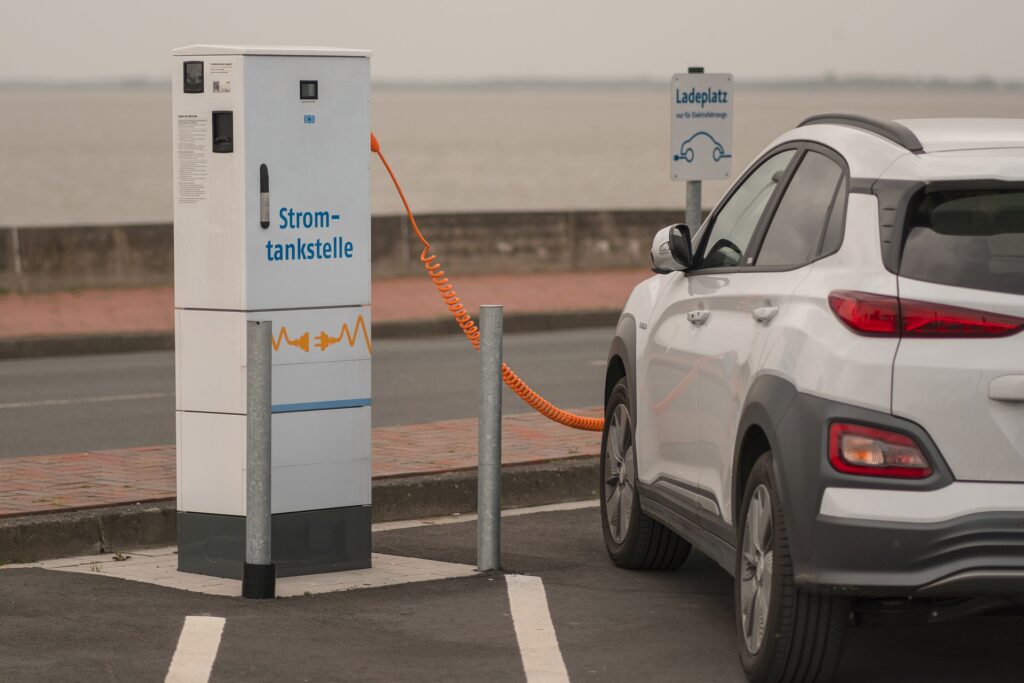
Electric vehicles are key to making mobility more environmentally friendly. Their core – the lithium-ion battery – in particular offers great potential in order to further improve their ecological balance over the entire life cycle. This is where CircuBAT comes in. Over the next four years, the newly launched research project aims to create a sustainable circular business model for lithium-ion batteries used in mobility. “This will improve the environmental performance of electric vehicles, provide storage systems needed for the energy transition and save resources,” says project leader Andrea Vezzini from Bern University of Applied Sciences BFH.
Collaboration between research and commerce
BFH is the Leading House in the CircuBAT project. On the science side, an additional six Swiss research institutions are involved in the project: Empa, the Swiss Center for Electronics and Microtechnology (CSEM), the University of St. Gallen (HSG), the Eastern Switzerland University of Applied Sciences (OST), the Switzerland Innovation Park Biel/Bienne (SIPBB) and the EPFL (Swiss Federal Institute of Technology). These institutions are joined by 24 companies from economy and industry, ranging from material specialists and manufacturing companies to users and providers of electric vehicles. Thanks to this collaboration between science and the economic world, the project covers all phases of a battery’s life cycle and research findings can be tested in practice. CircuBAT is one of 15 projects approved by Innosuisse during the first tender held by the Flagship Initiative. The initiative is looking to support systematic innovations in areas of relevance for a large part of the economy or society and focuses on solutions for current or future challenges affecting multiple stakeholders who need to come together to overcome them.
Optimization in all areas
The CircuBAT project focuses on finding solutions that boost sustainability in all phases of a lithium-ion battery’s life cycle. This includes extending the lifespan of batteries during their first application. Researchers hope to achieve this by developing optimal charging and discharging strategies as well as new concepts for battery construction that make repairs easy. In addition, the project intends to put batteries to use as stationary energy storage systems after they are retired from their first mobility-related application. It therefore looks at the best ways of integrating these batteries at a local level and ensuring their safe and efficient operation. Lastly, the researchers are looking for solutions for demanufacturing batteries and recovering materials that enable large quantities of high-quality secondary raw materials to be used to produce new batteries. On top of these technical issues, the project examines socio-economic aspects and holistic business models. CircuBAT will therefore play a key role in decarbonizing mobility in Switzerland and promoting the use of renewable energy.
Hyundai’s hydrogen gamble begins in Switzerland
Dejan Štancer: There is only one planet Earth and it feeds all of us
Hire points and vehicle usability “live” on the Web
Three subprojects led by Empa
Of the seven subprojects, three are led by Empa researchers. The subproject Material Recovery, led by Empa researcher Rolf Widmer, aims to optimize and further develop a recycling process developed by Kyburz Switzerland. In this process, the combustible elements of the battery are separated in a water bath. In this way, copper, aluminum, lithium, manganese, nickel and cobalt are to be recovered in top quality so that they can be used for the production of new batteries. The subproject “Production of battery cells” aims to make the manufacturing process more energy-efficient. By far the most energy-intensive step in the production of a lithium-ion battery cell is the drying of the battery electrode after coating.
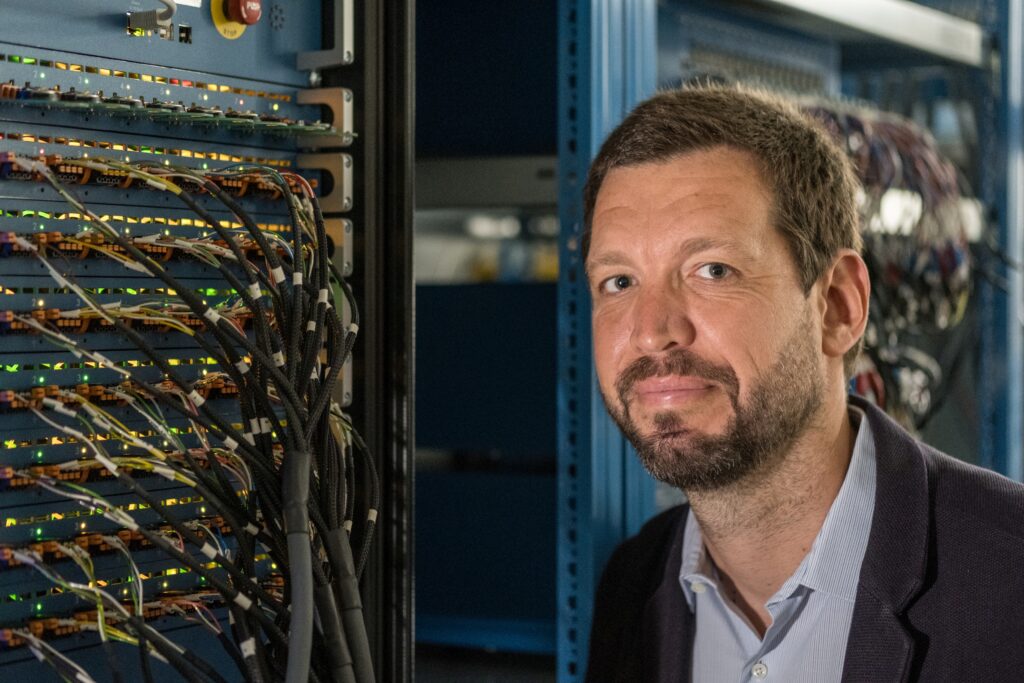
Dry electrode coatings would eliminate this step, resulting in significant energy and cost savings. Empa researcher Corsin Battaglia is leading this subproject. In the subproject “Sustainable Business Model”, experts from Empa and the University of St. Gallen are working with other partners to develop a viable business model for a sustainable battery recycling system. For this purpose, they are investigating the ecological and social impacts of the other subprojects. With a view to the entire value chain, suitable, economically advantageous business models for implementing these innovations are to be identified, assessed and evaluated. Empa researcher Roland Hischier is leading this subproject together with Merla Kubli from the University of St. Gallen.
Source: https://www.admin.ch/gov/en/start/documentation/media-releases.msg-id-87803.html