

The swiss cat ladder phenomenon
Between architecture, animal welfare, and civic responsibility, the “cat ladders” tell a unique story of Swiss culture
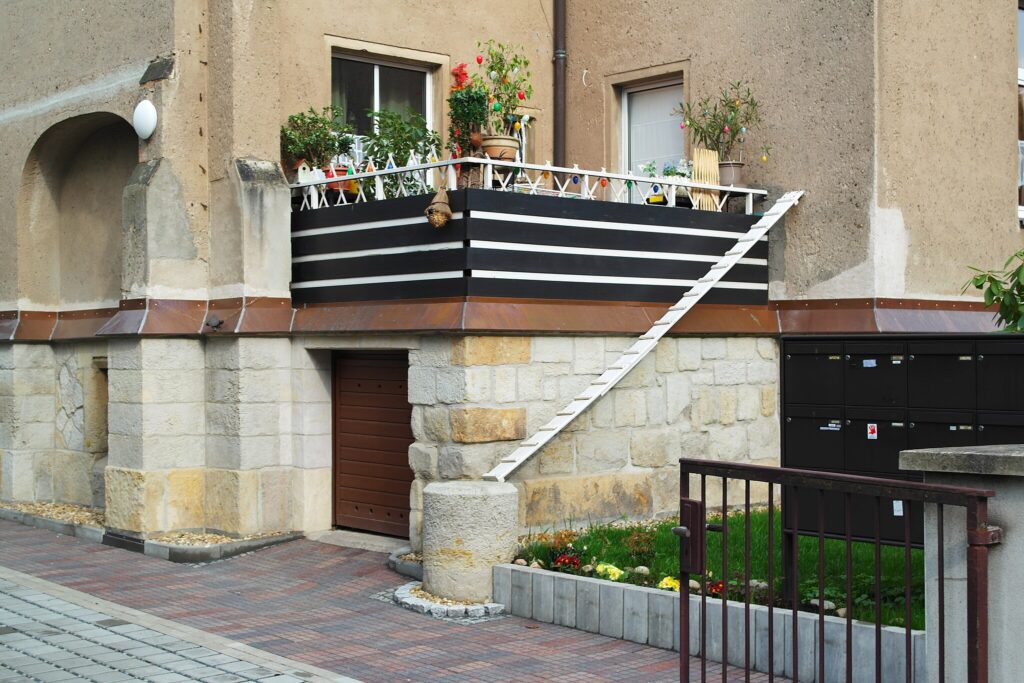
Switzerland is known not only for its crystal-clear lakes, majestic Alps, and efficient infrastructure, but also for a phenomenon that has recently caught the world’s attention: the “cat ladders.”These external walkways, designed especially for cats, have become a symbol of the unique relationship between the Swiss and their beloved pets.
The cat: a beloved companion in Switzerland
The domestic cat (Felis catus) is far more than a simple pet. It is a lifelong companion, a guardian of mysteries, and a symbol of independence. A true obligate carnivore, it requires a protein-rich diet and stimulating spaces to satisfy its natural curiosity. Agile and silent, the cat moves gracefully through complex environments, adapting effortlessly to both indoor and outdoor life.
In Switzerland, the cat holds a special place in people’s hearts. According to FEDIAF and Tier im Recht (2023), about 1.4 million cats live in Swiss homes, making them the fourth most numerous animal species in the country—after cows, sheep, and pigs. Around 28% of Swiss households have at least one cat, reflecting a deep cultural bond and a national commitment to animal welfare, both socially and legally.
Cats also play a key role in human well-being. Scientific studies show that petting a cat reduces stress, lowers blood pressure, and boosts serotonin—the “happiness hormone.” Their independent yet affectionate nature makes them the perfect antidote to daily anxiety and tension.
In addition, cats carry symbolic and spiritual meanings. Often seen as creatures of mystery, intuition, and protection, they are believed to balance the home’s energy and bring harmony. In Switzerland, as in many cultures, the cat is considered a quiet companion that enhances quality of life.
The architectural phenomenon of “cat ladders”
Across many Swiss towns and cities, cat ladders (Katzentreppen) have become a distinctive feature of the urban landscape. These outdoor structures connect balconies, windows, and gardens, allowing cats to move freely—even in multi-story apartment buildings.
Far from being a whimsical design choice, these ladders serve practical and ethical purposes. Built from wood, metal, or eco-friendly materials, they are designed to blend seamlessly with local architecture while complying with cantonal building regulations.
Though the tradition has existed for decades, it has recently gained global fame. Videos of cats climbing their elegant Swiss ladders in Zurich, Bern, and Geneva have gone viral on TikTok and Instagram, amassing millions of views.Photographer and author Brigitte Schuster documented this phenomenon in Arcatecture – Swiss Cat Ladders (2020), describing these creations as “a blend of functionality, design, and animal care.”
Installing such ladders is not just a matter of taste—it’s regulated. According to Article 257e of the Swiss Code of Obligations, tenants must obtain written consent from their landlords before installation. Materials, safety, and design must meet local and cantonal standards.
Moreover, the Swiss Animal Protection Act (Tierschutzgesetz) supports cats’ right to outdoor access, recommending at least two hours of freedom daily, unless restricted for medical reasons.
The phenomenon has even created a niche market. Companies like Catwalk Katzentreppen (based in Nidwalden) produce custom ladders exported to Germany and Austria. Prices range from CHF 1,244 to over CHF 6,800, depending on complexity—some include anti-slip ramps, artistic decorations, and eco-paint finishes.
A cat owner made stairs for his cat
by inDamnthatsinteresting
Microchips and cat flaps
Cat care in Switzerland extends beyond ladders. According to Identitas (2025), over 792,000 cats are now microchipped—up from 300,000 a decade ago. These rice-sized devices make pet recovery far more effective: 70% of lost cats are reunited with their owners within a week.Modern cat flaps, often equipped with microchip sensors, ensure selective access—keeping unwanted visitors out while allowing the family cat to come and go freely.Municipalities like Bernex have the highest cat density (58.2 cats per 100 residents), while Vernier boasts over 1,084 cats per km².
Conclusion
The Swiss cat ladders are more than quirky urban features—they represent a profound example of how Switzerland harmonizes animal welfare, design, and civic responsibility. In a country renowned for its practical innovations, these structures embody the essence of a culture that places care, respect, and coexistence at the heart of everyday life.
Sources
FEDIAF (2023). Facts & Figures 2023. http://www.fediaf.org | BFS (2023). Statistiche abitative. https://www.bfs.admin.ch | Atlas Obscura (2019). The Charming Cat Ladders. https://www.atlasobscura.com | Watson (2022). Le scale per gatti, un simbolo svizzero. https://www.watson.ch | Tio (2023). Quando i gatti conquistano la Svizzera. https://www.tio.ch | Schuster, B. (2020). Arcatecture – Swiss Cat Ladders. Edition Patrick Frey | Identitas AG (2025). Registrazione animali. https://www.identitas.ch | Codice delle Obbligazioni, art. 257e. https://www.fedlex.admin.ch | Tierschutzgesetz (2023). https://www.fedlex.admin.ch | Tier im Recht (2023). Statistiche animali. https://www.tierimrecht.org.