

Switzerland between cycling, walking and health
Slow mobility and quality of life: between Alps and cities, a European model of sustainability
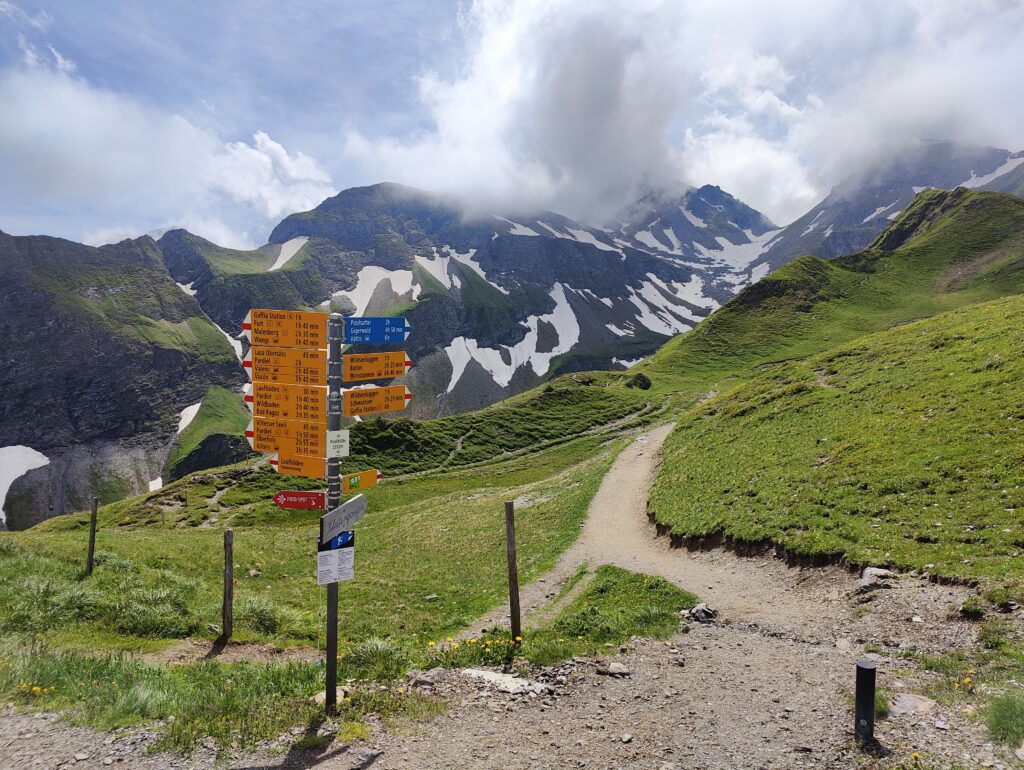
In Switzerland, walking and cycling are not just means of getting around, but a lifestyle rooted in culture and supported by public policies. The country has made slow mobility a pillar of collective well-being and environmental sustainability, promoting active travel in cities, villages and the Alps.
- More than 65,000 km of official hiking trails
- More than 20,000 km of signposted cycling routes (Veloland Schweiz network)
- 64% of Swiss people own at least one bicycle
- Approximately 15% of home-to-work journeys are made by bicycle
- Almost 30% of all journeys are made on foot, one of the highest figures in Europe
Swiss hiking trails: nature, culture and city
The Swiss hiking system is a true national treasure, unique in terms of its ubiquity and maintenance.
- 65,000 km of official trails
- Standardised signposting according to level of difficulty
- Links between towns, villages, nature parks and high mountains
Popular routes:
- Lake Zurich Trail: between crystal-clear waters and cultivated hillsides
- Walk of the Four Cantons: through the heart of central Switzerland
- Lavender Trail in Ticino: a sensory experience between scents and views
- Alpine trails in the Bernese Oberland: glaciers, peaks and lakes
- Urban walks in the historic centres of Berne, Lucerne and Basel
Swiss cities encourage walking with dedicated urban planning: wide pavements, 30 km/h zones, liveable squares and human-friendly neighbourhoods.
A cycling-friendly nation
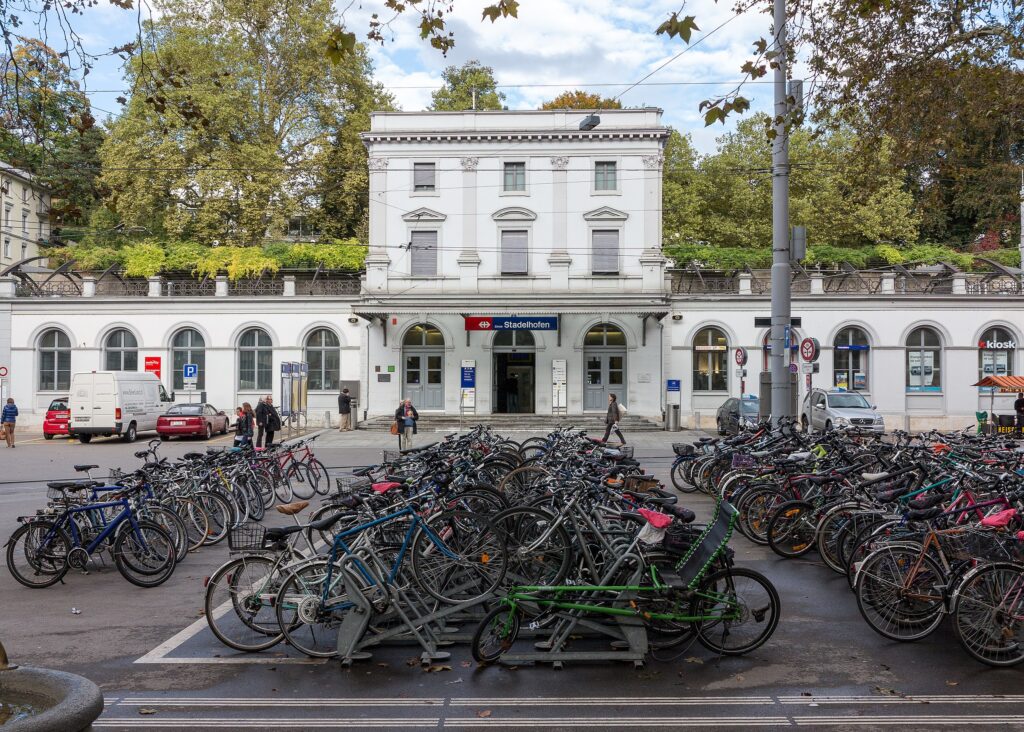
Swiss cycling culture has historical roots: as early as 1963, Lucerne inaugurated the country’s first cycle path. Since then, the network has grown continuously and strategically.
Key figures:
- 20,000 km of signposted cycle routes
- 64% of Swiss people with at least one bike
- 15% of daily home-work journeys made by bike
- More than 200,000 e-bikes sold in 2023 alone
Veloland Schweiz, the national network, connects cities and regions with routes for everyone: commuters, sports enthusiasts, families and tourists.
State-of-the-art infrastructure: the case of Zurich
Infrastructure innovation is a hallmark. One example is Zurich’s cycle tunnel under the main station, which connects Europaallee to Zollstrasse:
- Covered route with no traffic or traffic lights
- Reduced urban crossing times
- Direct connection between economic and creative areas
- Symbol of a smart and humane urban model
Zurich invests in cycle mobility with more than 300 km of urban paths, 7,000 bicycle parking spaces and incentives for e-bikes and cargo bikes.
Scooters: tradition and innovation
Switzerland has a dual tradition of scooters.
Traditional scooters: present for decades, used by children as a game and a means of active movement.
Electric scooters: introduced around 2018, they quickly conquered Swiss cities thanks to their practicality.
National regulations aim to ensure safety and coexistence between pedestrians, cyclists and micromobility users, with maximum speeds and age limits.
Estimated annual growth of 15% for the electric micromobility sector in Switzerland.
Between nature and silence the car-free villages to discover
Well-being and sustainability: a conscious choice
Getting around on foot or by bicycle is not only practical or economical, but a choice that generates measurable benefits:
- Reduces the risk of cardiovascular and metabolic diseases
- Improves mood, sleep and cognitive functions
- Decreases traffic and air pollution
- Stimulates sociability and connection to the region
Switzerland, Europe and the world in comparison
| Country | Bike ownership (%) | % urban trips by bike | % urban trips on foot |
|---|---|---|---|
| Switzerland | ~64% | ~15% | ~30% |
| Netherlands | ~130% (1.3 bikes/person) | ~36% | ~25–30% |
| Denmark | ~90% | ~25–30% (62% in Copenhagen) | ~25–30% |
| Germany | ~80–85% | ~10–15% (25–30% in bike-friendly cities) | ~30% |
| France | ~50% | ~5–10% (Paris >15% in central areas) | ~25–30% |
| Italy | ~50% | ~10–15% (North) | ~20–25% |
| Sweden | ~60–70% | ~20–25% (big cities) | ~30% |
| Norway | ~60% | ~8–12% | ~25–30% |
| Finland | ~60–70% | ~10–20% (Helsinki ~12–15%) | ~30% |
| Poland | ~40–50% | ~5–10% (Warsaw ~7–8%) | ~20–25% |
| United States | ~50% | ~1–3% (some cities ~5–7%) | ~5–10% (NYC ~20%+) |
| Canada | ~50% | ~2–5% (Montreal ~7–8%) | ~10–20% |
| Australia | ~50% | ~2–5% (Melbourne ~5–6%) | ~10–20% |
| New Zealand | ~50% | ~2–4% (Christchurch ~5–6%) | ~20–25% |
| Argentina | ~50–60% | ~1–5% (Buenos Aires increasing) | ~20–30% |
| Thailand | ~20–30% | <5% (Bangkok ~1–2%) | ~20–30% |
| Singapore | ~40–50% | ~2–5% | ~25–30% |
| United Arab Emirates | ~20–30% (growing) | ~1–3% | ~10–15% |
| Qatar | ~20% | ~1–2% | ~10–15% |
| South Africa | ~30–40% | ~1–3% | ~15–25% |
| Japan | ~60–70% | ~10–15% (highly variable) | ~30–40% (very high in Tokyo and Kyoto) |
Switzerland is among the most advanced countries in Europe for active mobility, thanks to:
- Public investment in trails and paths
- Integration with public transport
- Public awareness
- Inclusive approach: suitable for athletes, families, commuters and tourists
Between the Alps, lakes and people-friendly cities, Switzerland offers a virtuous example of how sustainability, health and quality of life can go hand in hand.