

April Fool’s Day Traditions
April Fools’ Day, a day dedicated to pranks and hoaxes celebrated every year on 1 April, is a tradition that crosses cultural boundaries, awakening the creativity and humour of people of all ages.
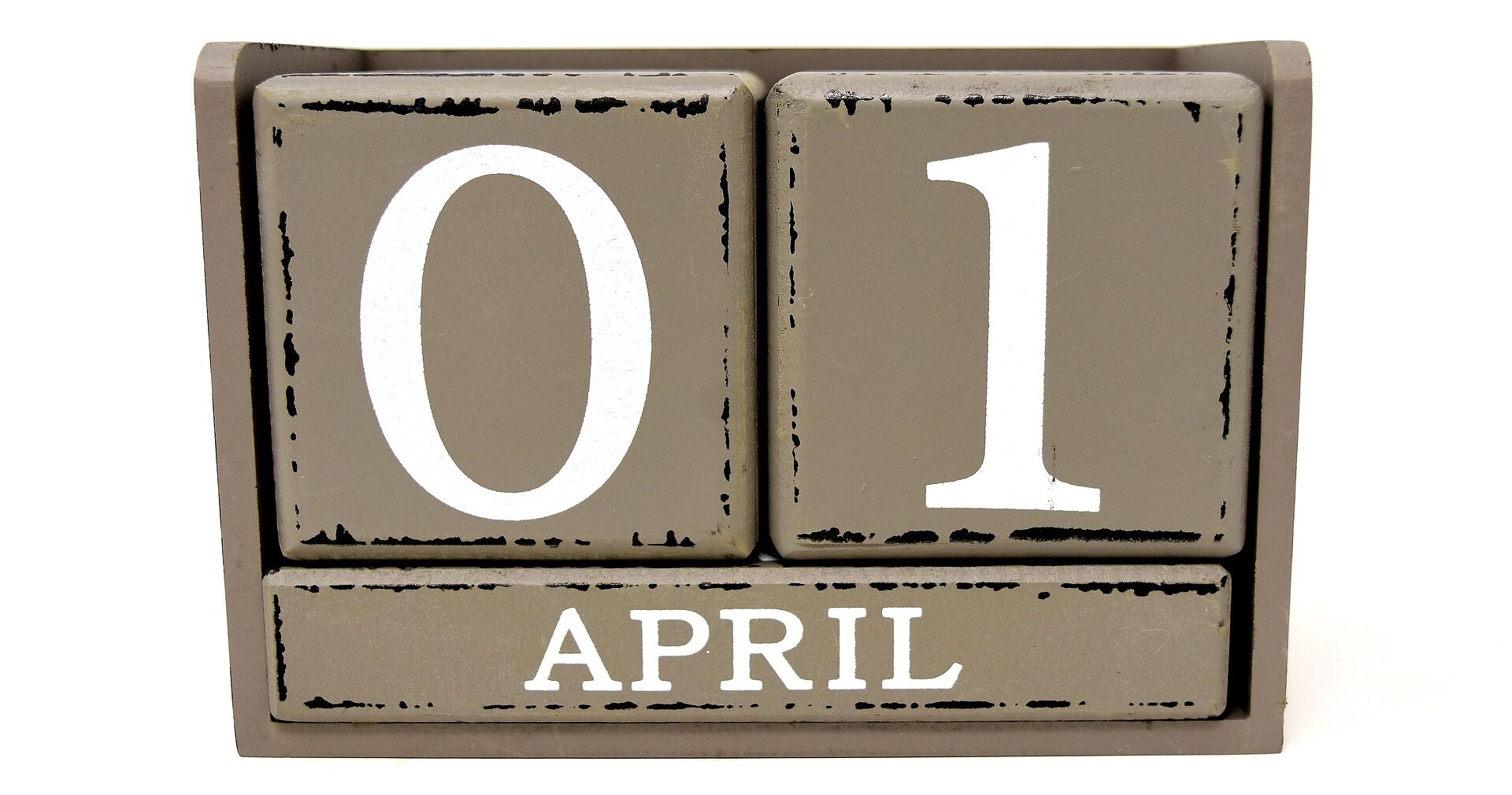
April Fools’ Day
How kind of you,
you can eat the April fish with pleasure.
Come, let’s go to the market and buy it
Then I’ll teach you how to cook it
You grill one piece,
Enjoy it with you and your family.
Another you make with meat sauce,
but only you eat that.
Look at the moon, look at the stars,
this fish may bring you luck,
who knows? Maybe it does,
Maybe it’s just a light thought.
But beware! It’s full of bones,
if you eat it, you’ll choke,
watch out, you’ll choke!
Have you finished reading?
Curious you were,
you found a nice fish.
But don’t you remember what day it is?
Surprise! It’s April Fools’ Day!
Zaira Sellerio
April Fools’ Day is a widespread tradition in several countries around the world, characterised by pranks played on 1 April. The origins of the tradition are uncertain, but among the most accredited theories are:
- 16th century France: with the reform of the Gregorian calendar (1582), New Year’s Day was moved from 1 April to 1 January. Out of mockery, empty parcels began to be given as gifts, giving rise to the custom.
- Ancient Rome: the feast of Hilaria (25 March) and the myth of Proserpine, deceived in her quest by her mother Ceres.
- Holland (1572): the capture of the city of Brielle and the saying ‘Op 1 april verloor Alva zijn bril’ (Dawn lost her glasses).
- Middle Ages: the legend of a pope saved from a fish thorn thanks to the patriarch of Aquileia, the blessed Bertrando di San Genesio, who banned the consumption of fish on 1 April.
In many countries, jokes are revealed with typical expressions
- In Italy, France and Belgium, the tradition is known as Pesce d’aprile or Poisson d’Avril, and it is customary to stick a paper fish on the victim’s back.
- In the UK, those who suffer a prank are called April Fools and the pranks stop at midday.
- In Scotland, Huntigowk Day is celebrated, with puns and card-cranks.
- In Spain and Latin America, the equivalent is Dia de los Tontos or Día de los Santos Inocentes (28 December).

How April Fools’ Day is celebrated around the world
1 April is a day of jokes and pranks celebrated in many countries, with different traditions and customs.
Europe
- Switzerland and Italy: Pranks involve friends, family and the media. Children attach paper fish to people’s backs, or the media spread false news.
- United Kingdom and Ireland: Pranks are only played until midday; whoever is fooled after that time becomes the ‘fool’ himself. The media also participate with absurd news.
America
- United States: It is very popular, with media, companies and celebrities spreading elaborate hoaxes. Social media amplify the pranks.
- Latin America: Although the traditional day for pranks is 28 December (Día de los Santos Inocentes), 1 April is also celebrated with hoaxes and fake news.
Asia
- Japan and China: The tradition is not rooted, but is growing thanks to social media. The pranks are more discreet than in the West.
- India: It is becoming more and more popular among young people, with pranks spread especially in schools and on social media.
Oceania
- Australia and New Zealand: Similar to the UK, with pranks between friends and fake news spread by the media.
Famous April Fool’s Day pranks around the world
USA
- The Left-Handed Whopper (1998): Burger King announced the Left-Handed Whopper, a left-handed sandwich with ingredients rotated 180 degrees. Many customers actually ordered it.
United Kingdom
- Digital Big Ben (1980): The BBC declared that the iconic clock would go digital and that the hands would be given away to the first people who called.
- The Spaghetti Harvest (1957): The BBC broadcast a report on spaghetti trees in Switzerland. At the time, many Britons did not know how pasta was produced and believed it.
Italy
- Le targhe per i cavalli (1961): The newspaper La Notte published the false news of a new obligation for horses to have a number plate in Milan.
France
- Moving Eiffel Tower (1986): The newspaper Le Parisien announced that the Eiffel Tower, symbol of Paris and the whole of France, would be dismantled and moved to Disneyland. In its place, a 35,000-seat stadium would be built, ready to host the 1992 Olympic Games.
Norway
- Surplus wine (1950): The newspaper Aftenposten reported that Norway had imported more wine than could be bottled and that it would be sold in bulk to those who brought suitable containers.
Switzerland
- Fondue ice cream (2019): The Manor department store announced fondue ice cream, with pieces of crusty bread and a coating of mature cheese.
- The square coin (2017): The Federal Mint Swissmint claimed to have created a 50 franc square coin, an idea so unusual that many believed it to be true.
April Fools’ Day is a tradition celebrated all over the world, whether it is innocent pranks, viral hoaxes on social media or unbelievable stories spread by newspapers, 1 April remains a unique day when humour takes centre stage, crossing cultural boundaries and making everyone share in a collective smile.